untranslatable words from other languages

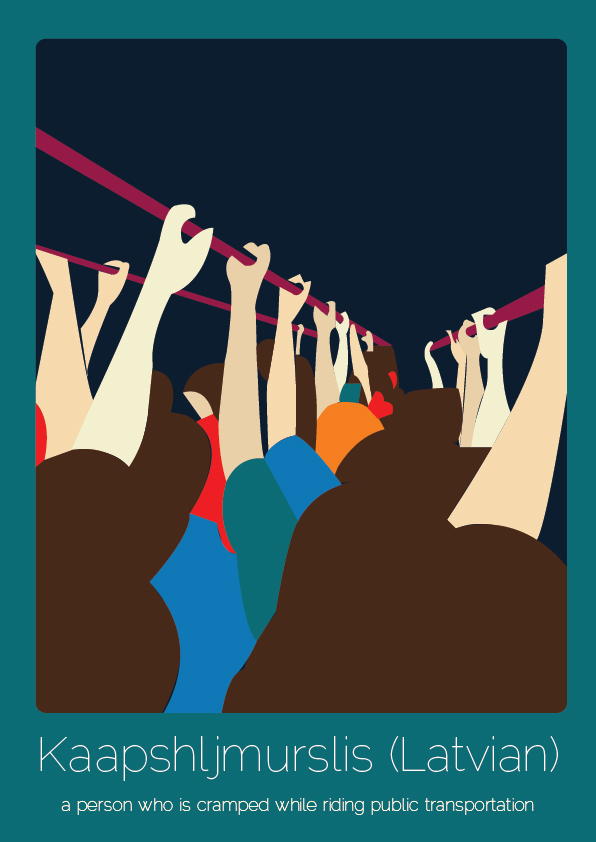
Kaapshljmurslis

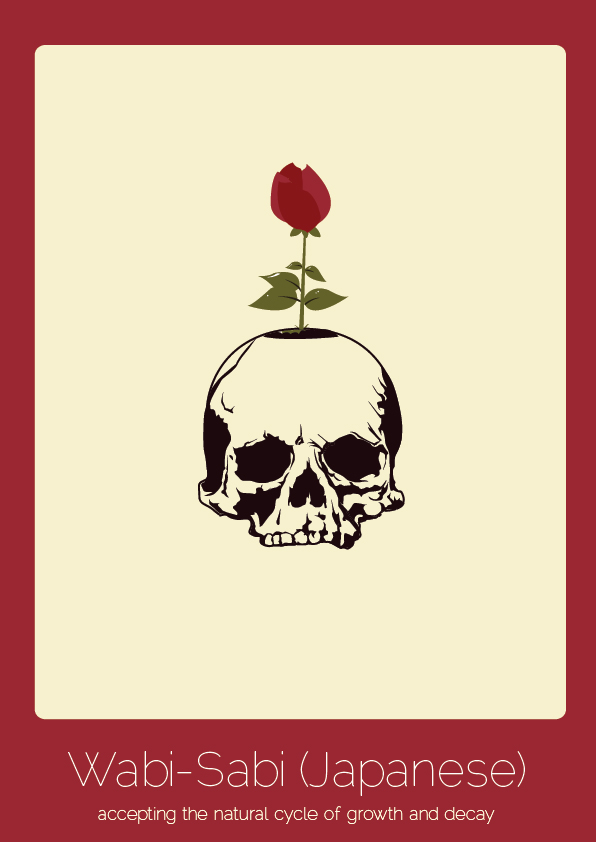
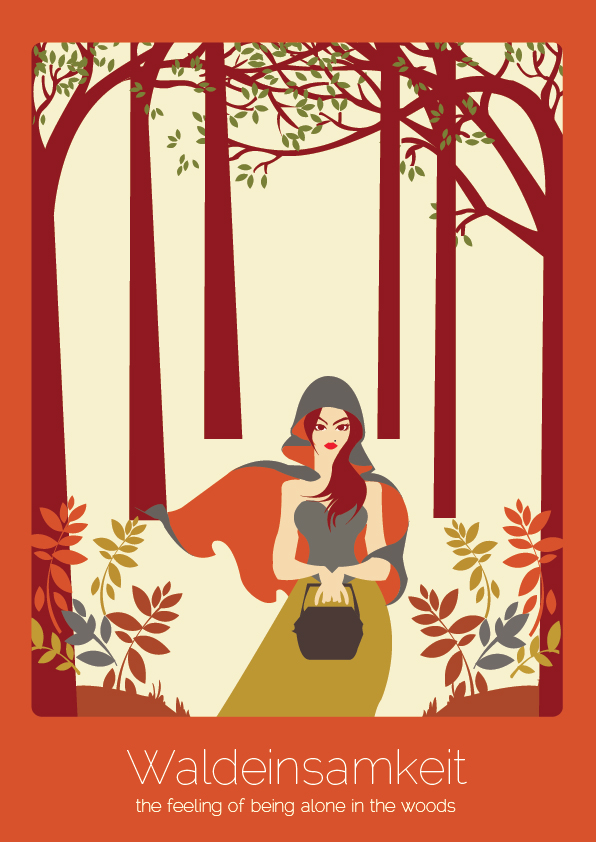
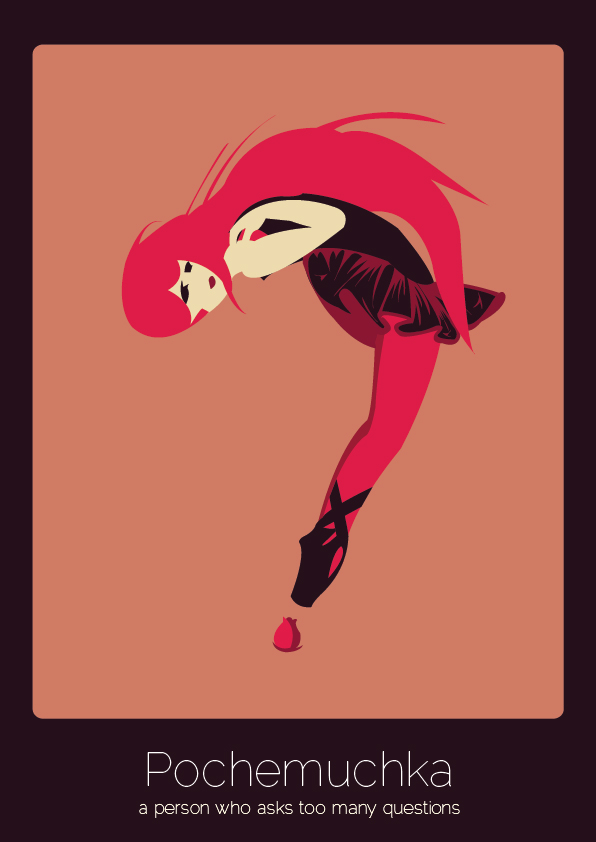
Anjana Iyer set out to illustrate 100 foreign words that have no one-word translation in English. She published one poster a day until day 42, and then she either ran out of steam or she’s still in the middle of the project, I can’t tell. Here are my favorites, probably because they all describe experiences I have had myself:

Iktsuarpok

SchadenfreudeWabi-SabiKomorebiMamihlapinatapeiGokottaAwareWaldeinsamkeitPochemuchka

The Japanese seem to have a lot of words that we don’t to describe lovely interactions with nature. On a botanic gardens walking tour I learned the word shinrin-yoku, or forest bathing – otherwise known as a leisurely walk through the woods – which was suggested as a way to beat the winter blues. (It works! Unless winter lasts six unendurable months, in which case all bets are off.)

Anjana’s website is here.

the best of words, the worst of words: aurore and concubinage

On Sunday I went to a gathering at which there were not one, not two, but three French transplants. So I subjected all of them to my little favorite/least favorite words exercise, and I’ll share their responses one by one as I get around to typing them up. First, there’s Anne Cecile aka Anna, a journalist who is working on an intriguing documentary that I am not at liberty to discuss. But take my word for it, it will be good.

Anne Cecile favorite word

I am a fan of Anna’s choice. Aurore is a lovely-sounding word and her translation of it is even more lovely. While Google tells me it simply means “dawn,” Anna insisted that aurore has a more complicated meaning no one English word can completely capture. So why is it her favorite? Translated from the French (to the best of my ability!): “It’s a word for a fleeting moment that is beautiful and precious. The word could be ugly if it were said in a harsh way but it’s said with softness. And it’s a hopeful word for when things are fresh and new again.”

On to the least favorite:

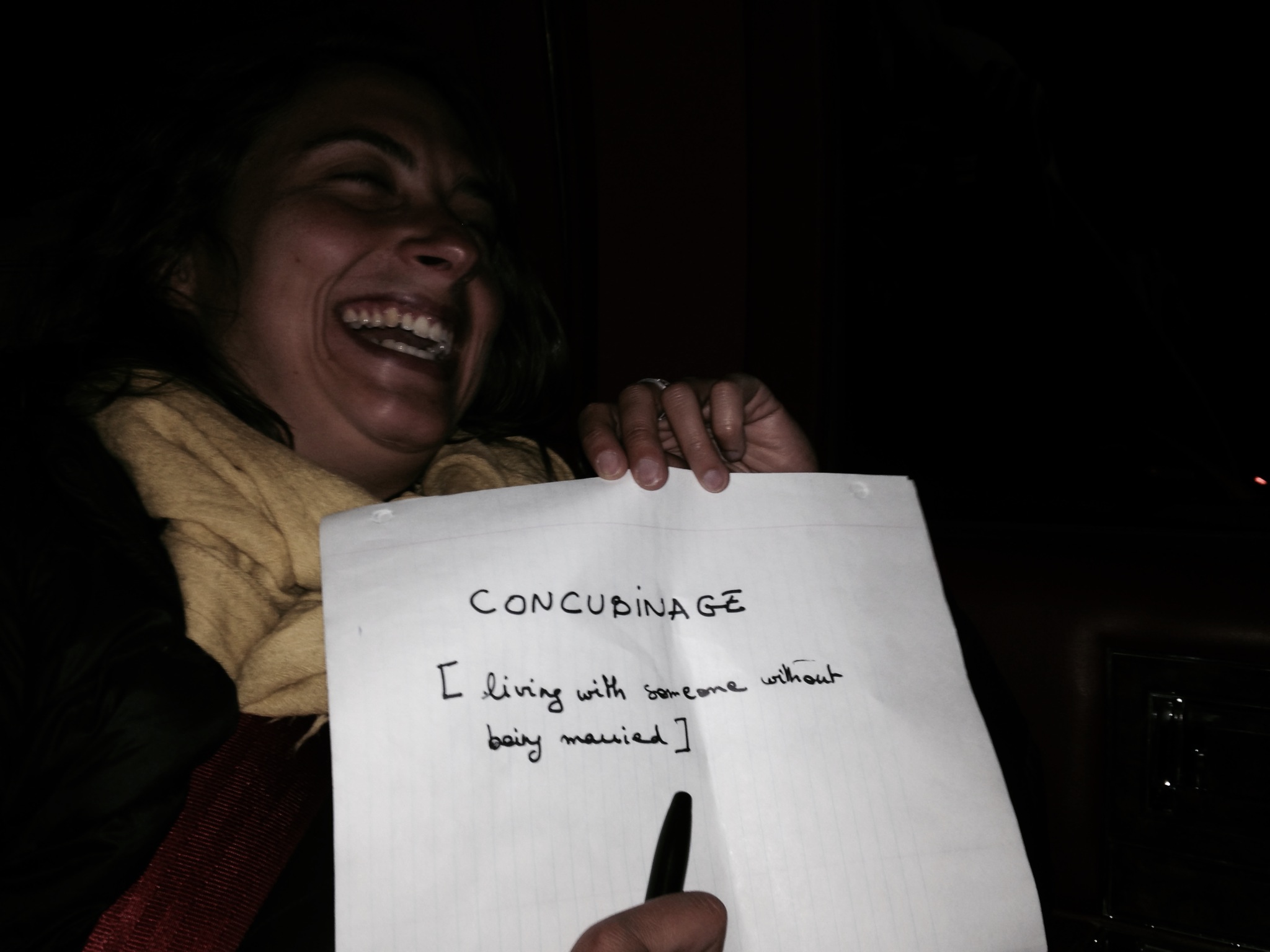
Anne Cecile hates the word concubinage

Funnily enough, concubine is one of my favorite words but I can see how it’s not for everyone. English concubine and French concubinage have different connotations. Concubinage is basically domestic partnership or common law marriage. Anna points out that while she is all for the concept of concubinage, it’s the word itself that she doesn’t like. Too many of the same sounds back to back. “It’s almost like the word was designed to be ugly so people wouldn’t do it.” A word with a conservative agenda!

I love how both of Anna’s choices require a multi-word explanation – more of a definition than a translation. So, thanks to Anna for her powers of description, and for lodging these two new words firmly in my brain!

the best of words, the worst of words: maracuyá and chancleta

This is the first in – I hope – a series in which I ask Spanish and French-speaking strangers to write down their favorite and least favorite words in their language and then tell me – in Spanish or French – why they chose them. A ploy for me to learn new vocabulary and force myself to get some conversational practice. Full disclosure: this first time we talked in English because I am still muy patético at speaking Spanish. But – one day!

Félix is a Colombian linguist who would rather be behind the camera than in front of it. Hence you’ll have to create your own mental picture of him through his disembodied hands, his remarkably varied handwriting and his interesting word choice. 🙂

Félix’s favorite word:

photo (1)

Why? “Because it has a very flowing sound and it has an accent at the end and I like agudas, where the stress is in the last syllable. And the fruit itself is delicious.”

I googled it: agudas = oxytones, if you’re interested.

Félix’s least favorite word:

photo (2)

“It is onomonopoetic. I don’t like it because of the sound. The combination of strong consonants and open vowels.”

Spoken like a true linguist.