the best of words, the worst of words: beauté and fourchette

the best word: beauteFollowing hot on the heels of Tuesday’s best and worst words, chosen for their signification, here are a best word and worst word chosen solely for their sounds.

Clovis is an artist with a studio in Bushwick who paints monochromatic extreme close ups of people’s faces. I wish I had one to post here but alas it didn’t occur to me to ask. Take my word for it, though, they are really wonderful.

His favorite word, beauté (beauty), seemed a bit of an obvious choice until he explained why. It’s not the meaning of the word that he likes but the sound. “Parce que le mot est rond.” (“Because the word is round.”) Which is to say, he loves the word beauté for the word’s beauty. Clovis insisted that even if beauté actually meant something terrible like decrepitude or diarrhea (my examples, not his), he’d still love it.

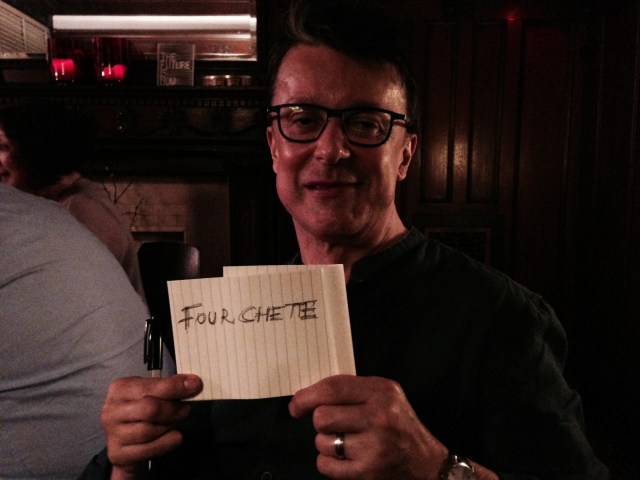
Clovis’ least favorite word seems hilariously random to me, especially when paired with beauté. But Clovis just does not like the sound of fourchette (fork). He said in French, “It’s not the meaning at all. A fork is very useful, but the word is like whiplash (un coup de fouet).”

I see what he means – the four takes its time rolling off the tongue and then the ette erupts out at the end. It’s jarring. the worst word: fourchetteBut I have to admit I like it – along with assiette (plate) and serviette (napkin). Why all the dinnerwear ending with ette?
In any case… Clovis – whose work is all about color – told me that he thinks of words in terms of color as well. Synesthesia, I love it! “Some are hot colors and some are cold colors, and some I prefer more than others.” Since Clovis said beauté was hot and fourchette was cold, I guess he likes a warm palette (another ette word I love).

Informal poll: fourchette, love it or hate it?

the best of words, the worst of words: lumière and obscurité

Thomas' favorite word: lumiere

This past weekend I had the pleasure of going to my former downstairs neighbor’s cocktail party in my old building, three blocks away from my new one. In addition to being fascinating and fabulous herself, Francesca has a set of fascinating and fabulous friends, two of whom are French. And thus, another edition of “best words, worst words” comes your way…

Thomas is a novelist whose work I am excited to dive into. He assured me that I would be able to read it in the original French. He is also about to shoot a documentary about Bushwick artists, including Clovis, who will be featured in the next installment of best words, worst words.

I was surprised at the ease with which Thomas chose his superlative words. No deliberation at all; they came right to him.

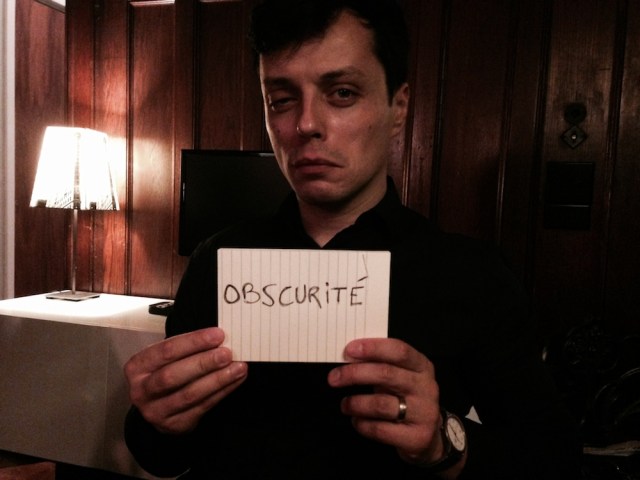
His favorite: lumière (light). Why? Because light signifies “knowledge, God, beauty. It’s the opposite of obscurity.”

And his least favorite?Thomas' least favorite word: obscurite

Logically, obscurité (darkness, obscurity). Thomas believes that people cannot stand to live in obscurity – that they crave to be in the light, to be seen and known. Yet he also believes that people can’t live entirely in the light – that they need a small amount of obscurity to exist.

I don’t usually think of light and darkness as aspects of the human condition, but leave it to a writer to bring the poetry. Or leave it to the French language, I suppose. Until I noticed that obscurité translates to both darkness and obscurity, I hadn’t really linked the two. Darkness had always seemed physical and obscurity existential, but I suppose there is a lot of crossover – darkness can be existential and obscurity can be physical. I love these moments of lexical epiphany!

the best of words, the worst of words: dégueulasse & râler

Finally, the last of the three French party-goers:

degueulasse.jpg

Emmanuel is a sound recordist by day / artist by disposition. He has a bunch of strange and interesting side projects including a festival of boring films and a psychological danger meter. The intrigue of both were heightened by my inability to fully comprehend them in French – but I liked it that way so I didn’t ask for more details in English.

As is to be expected from a man with various hard-to-describe creative endeavors, Emmanuel’s picks for his best and worst words were similarly abstract and esoteric. He cycled through at least three worst words before settling on his absolute worst worst word. One of them was indifférence, which I found hilariously befitting of an artiste. His favorite word was also chosen with poetic logic. Dégueulasse: it’s not a nice word at all, but that’s part of the reason he likes it.

[Spoiler alert – if you don’t want to know how “Breathless” ends skip the next two paragraphs.]

Emmanuel explained (I think – it was not only that the French was slightly beyond my grasp but that the reasoning was, too): Dégueulasse is a crass word that you wouldn’t really say in polite company. In Godard’s first feature film, “À Bout de Souffle” / “Breathless,” the main character, a petty criminal played by Jean-Paul Belmondo, gets killed by the cops after being betrayed by his love, American ingenue Jean Seberg. As he lays dying he looks up at her and says, “C’est vraiment dégueulasse,” and it’s unclear what she’s feeling but it’s clear she’s feeling something very strongly. Then she asks one of the cops, “Qu’est-ce que c’est, dégueulasse?” but it comes out more like, “Qu’est-ce que c’est, deglasse?” It’s the first time she’s heard the word and she has no idea what it means. And then the movie ends. Honestly, I have always been perplexed by this. I know this last scene has deep meaning but I can’t put my finger on it, which makes me feel dumb and in turn, resentful of feeling dumb. I love “Breathless,” but man do I wish that the ending struck a chord with me in any way, shape or form.

Well, it struck a chord with Emmanuel. He thought that this ugly French almost-curse word, when it came out of Jean Seberg’s mouth in such an alien, foreign fashion, was given a new significance. The beauty of the word and the charm and possibilities of the language were revealed. Which I find amusing because to me the word sounds deeply hideous in that horrid American accent. Anyway…

Now for Emmanuel’s least favorite word. It’s not mignon, indifférence, or metastase, though those are three options he seriously considered before settling on:

raler.jpg

Râler – to whine or moan.

Why? Not entirely sure but it has something to do with the fact that while complaining (se plaindre) carries an agenda and implies that something gets done as a result, râler has no orderly purpose and, like its cousin geindre, is simply moaning sadly to make one’s objections known but to no apparent end. Emmanuel seems to think that the French love to râle about everything, good, bad or indifferent.

There might also be something about the r sound that Emmanuel finds grating but I’m not entirely sure. That part of the explanation was beyond my pay grade. 🙂

the best of words (glass half full / no worst of words edition): ananas

ananas.jpg

Finally getting around to writing up the other two best words/worst words from the party I went to last month. I’m getting the easier one out of the way first – easier first of all because Nico never told me his most detested word, only his favorite one; and also easier because he was a little tipsy and the only explanation he gave was to repeat the word’s various syllables, sounds and rhymes. To wit: “Parce que ananas, banana, bananas, des anana, anan, nana, nanas, des nana.” I asked him if, apart from the sound, he liked the taste of the fruit and he brushed me off, “Le goût, je m’en fou.” To be clear, Nico does enjoy pineapples, but he chose his favorite word for the sound rather than the deliciousness.

Interesting, because Félix’s favorite Spanish word was maracuyá (passion fruit) and my favorite word – in any language – is pamplemousse (grapefruit.) To state the obvious: I sense a fruit theme here…

untranslatable words from other languages

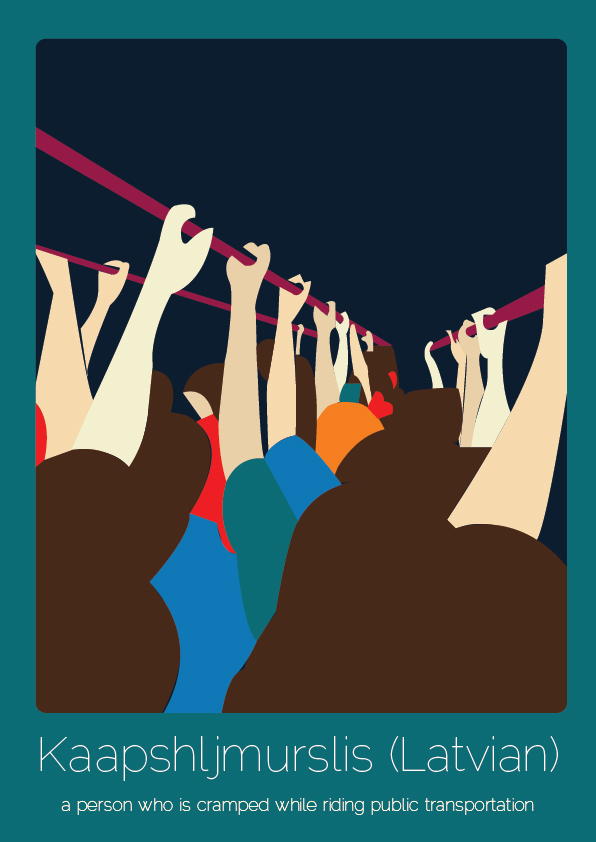
Kaapshljmurslis

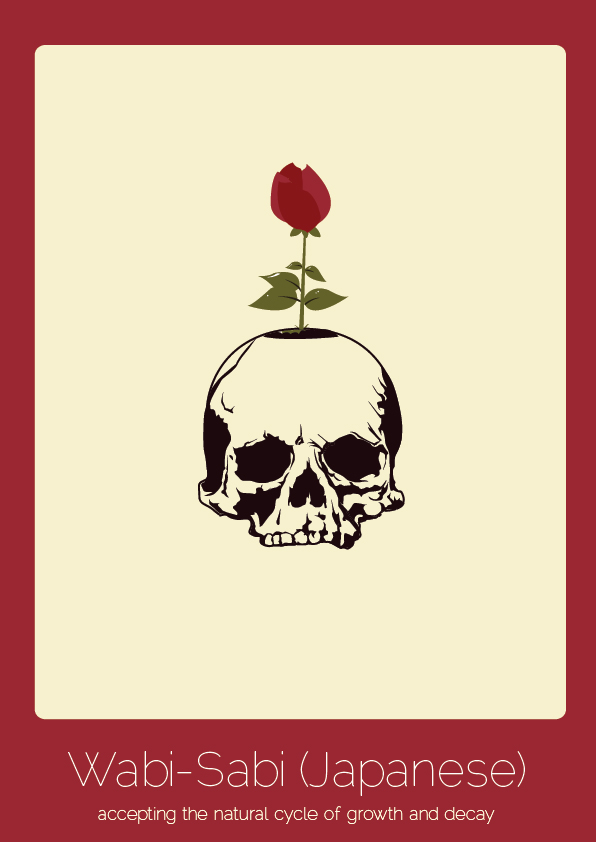
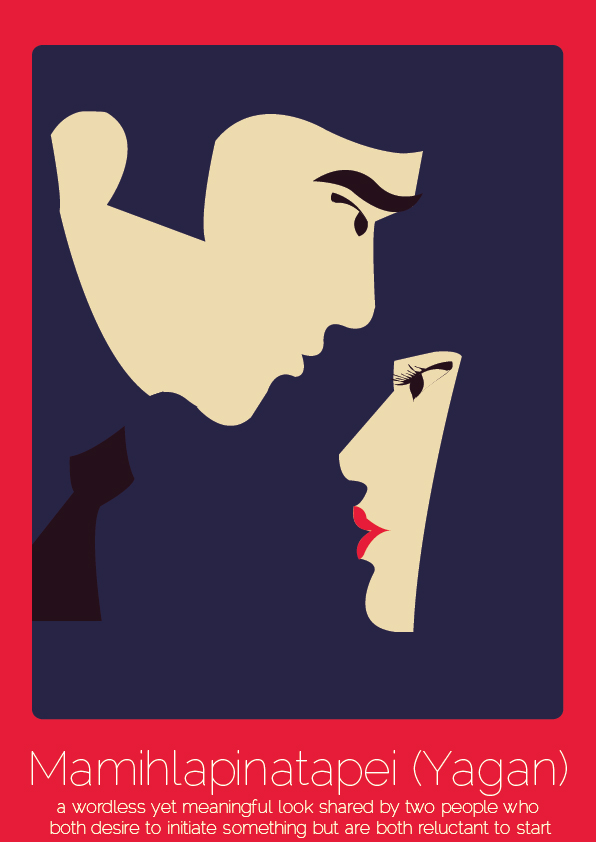
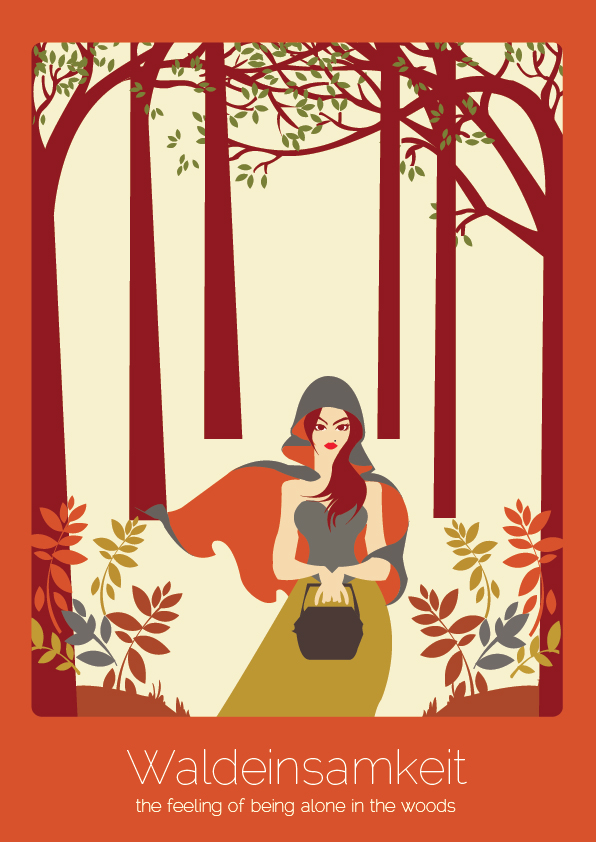
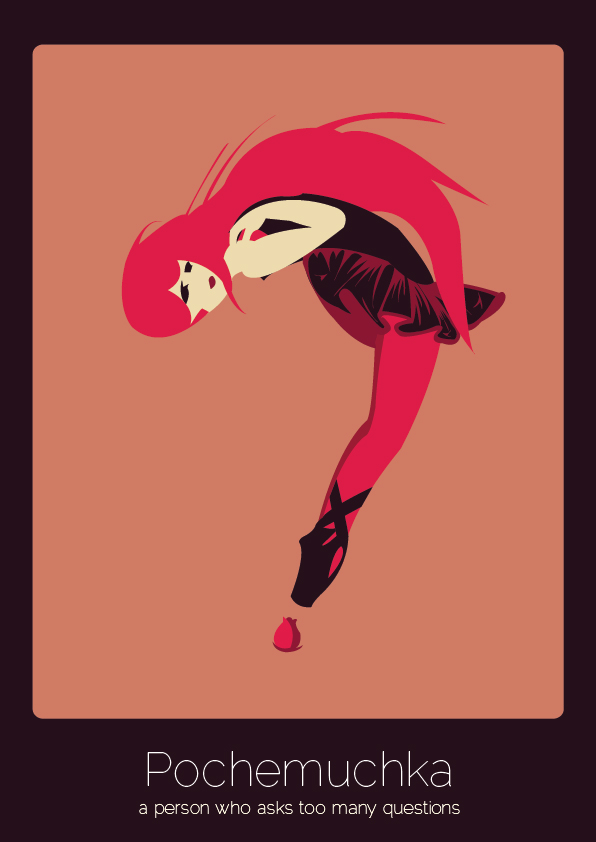
Anjana Iyer set out to illustrate 100 foreign words that have no one-word translation in English. She published one poster a day until day 42, and then she either ran out of steam or she’s still in the middle of the project, I can’t tell. Here are my favorites, probably because they all describe experiences I have had myself:

Iktsuarpok

SchadenfreudeWabi-SabiKomorebiMamihlapinatapeiGokottaAwareWaldeinsamkeitPochemuchka

The Japanese seem to have a lot of words that we don’t to describe lovely interactions with nature. On a botanic gardens walking tour I learned the word shinrin-yoku, or forest bathing – otherwise known as a leisurely walk through the woods – which was suggested as a way to beat the winter blues. (It works! Unless winter lasts six unendurable months, in which case all bets are off.)

Anjana’s website is here.

the best of words, the worst of words: aurore and concubinage

On Sunday I went to a gathering at which there were not one, not two, but three French transplants. So I subjected all of them to my little favorite/least favorite words exercise, and I’ll share their responses one by one as I get around to typing them up. First, there’s Anne Cecile aka Anna, a journalist who is working on an intriguing documentary that I am not at liberty to discuss. But take my word for it, it will be good.

Anne Cecile favorite word

I am a fan of Anna’s choice. Aurore is a lovely-sounding word and her translation of it is even more lovely. While Google tells me it simply means “dawn,” Anna insisted that aurore has a more complicated meaning no one English word can completely capture. So why is it her favorite? Translated from the French (to the best of my ability!): “It’s a word for a fleeting moment that is beautiful and precious. The word could be ugly if it were said in a harsh way but it’s said with softness. And it’s a hopeful word for when things are fresh and new again.”

On to the least favorite:

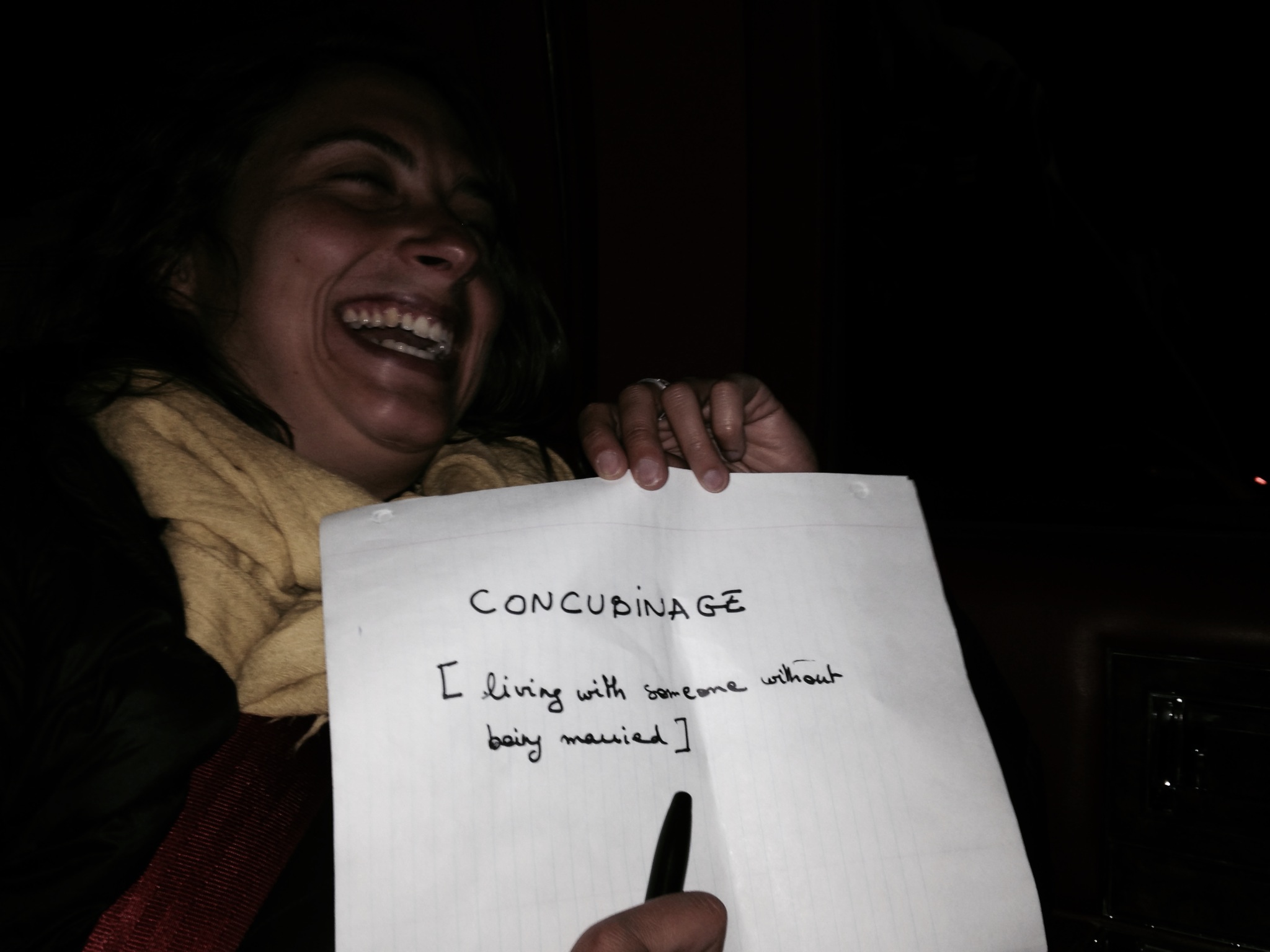
Anne Cecile hates the word concubinage

Funnily enough, concubine is one of my favorite words but I can see how it’s not for everyone. English concubine and French concubinage have different connotations. Concubinage is basically domestic partnership or common law marriage. Anna points out that while she is all for the concept of concubinage, it’s the word itself that she doesn’t like. Too many of the same sounds back to back. “It’s almost like the word was designed to be ugly so people wouldn’t do it.” A word with a conservative agenda!

I love how both of Anna’s choices require a multi-word explanation – more of a definition than a translation. So, thanks to Anna for her powers of description, and for lodging these two new words firmly in my brain!

the best of words, the worst of words: maracuyá and chancleta

This is the first in – I hope – a series in which I ask Spanish and French-speaking strangers to write down their favorite and least favorite words in their language and then tell me – in Spanish or French – why they chose them. A ploy for me to learn new vocabulary and force myself to get some conversational practice. Full disclosure: this first time we talked in English because I am still muy patético at speaking Spanish. But – one day!

Félix is a Colombian linguist who would rather be behind the camera than in front of it. Hence you’ll have to create your own mental picture of him through his disembodied hands, his remarkably varied handwriting and his interesting word choice. 🙂

Félix’s favorite word:

photo (1)

Why? “Because it has a very flowing sound and it has an accent at the end and I like agudas, where the stress is in the last syllable. And the fruit itself is delicious.”

I googled it: agudas = oxytones, if you’re interested.

Félix’s least favorite word:

photo (2)

“It is onomonopoetic. I don’t like it because of the sound. The combination of strong consonants and open vowels.”

Spoken like a true linguist.